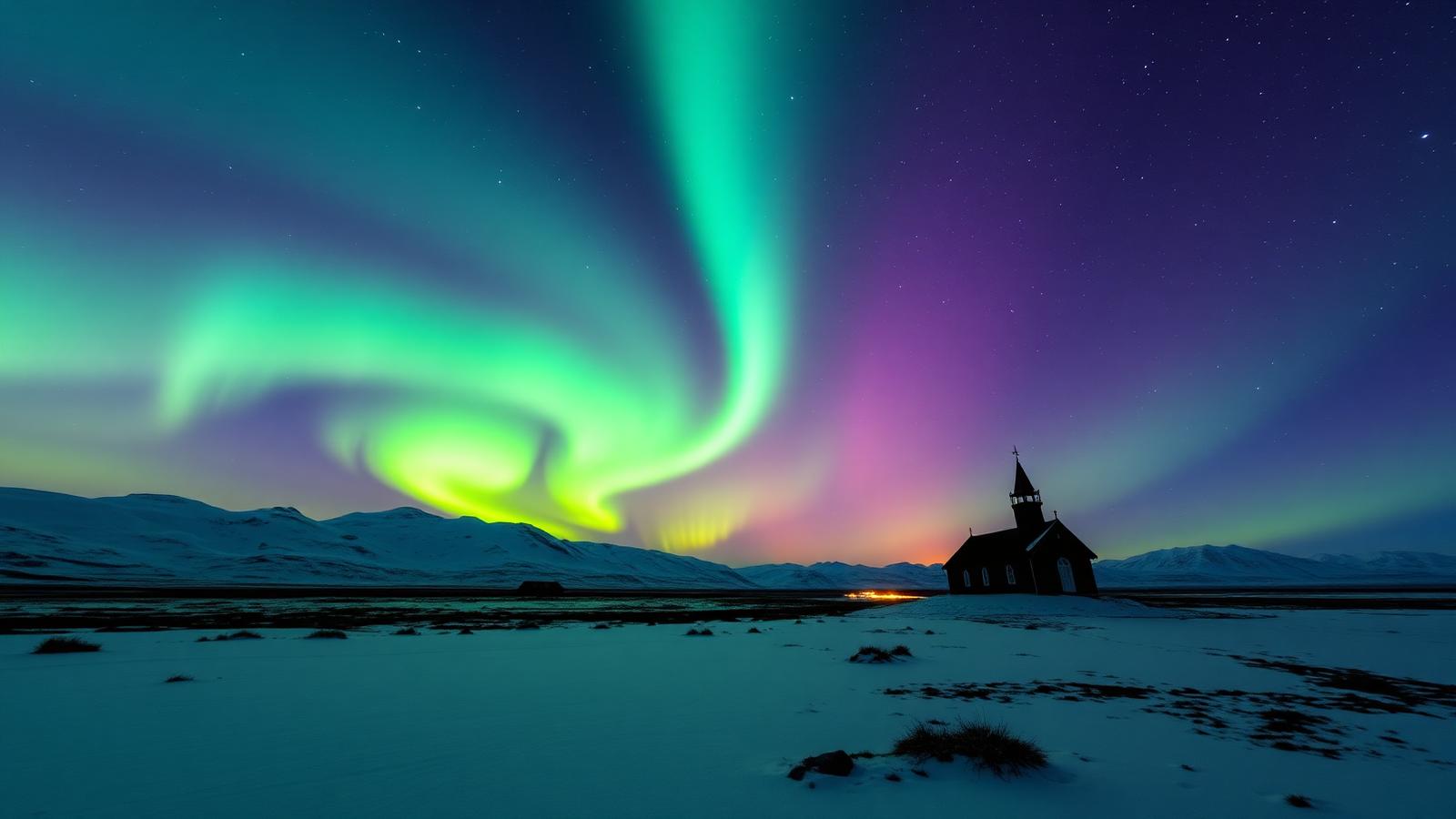
Here's the headline: 2026 is the tail-end of Solar Cycle 25's maximum, which means the northern lights in Iceland will be more frequent, more vivid, and more reliable than they've been in a decade. If you've been waiting for the right year, this is it. Below is a no-fluff guide to seeing the aurora properly — when to go, where to base yourself, and which tours are worth the money.

Best Months in 2026
- September–October: Mild weather, fewer crowds, dark enough nights from mid-September. Underrated.
- November–January: Longest nights = highest viewing odds. Coldest and most expensive.
- February–March: Statistically the most active aurora months historically. Solid choice.
- Avoid: Mid-May to mid-August. Daylight is too long; no aurora visible.
Pick a window of at least 5 nights. Cloudy weather is the only real enemy and you need multiple chances.
Best Viewing Spots
- Þingvellir National Park — 45 minutes from Reykjavík, big dark sky, accessible.
- Snæfellsnes Peninsula (Kirkjufell) — the most iconic aurora photo backdrop in the world.
- Vík and Reynisfjara — black sand beaches under green sky, surreal.
- Westfjords — almost zero light pollution, hardest to reach.
- Akureyri (north Iceland) — clearer winter skies than the south, fly direct from Reykjavík.
Tours Worth It vs Skip
Worth it:
- Small-group photo tours ($120–$180) — guide with aurora app + camera coaching. Worth it if you don't have a rental car.
- Super-jeep tours ($230–$320) — get into the highlands away from coastal cloud cover.
- Boat aurora tours from Reykjavík harbour ($90) — surprisingly good, you're away from all city light in 20 minutes.
Skip:
- Big-bus tours with 50+ people. You'll stand in headlight glare and the guide can't pivot if the forecast shifts.
- Any tour that doesn't offer a free re-try if you don't see the lights.
2026 Cost Snapshot
- US East Coast → KEF: $420–$780 round-trip (Icelandair, PLAY)
- UK → KEF: £140–£320 (PLAY, easyJet, Icelandair)
- Rental car (4WD, winter): $90–$160/day with insurance
- Reykjavík mid-range hotel: $180–$280/night
- Guesthouse outside Reykjavík: $110–$170/night
- Daily food: $60–$90 (Iceland is genuinely expensive)
- Realistic 6-night trip total: $2,200–$3,400/person from US
Aurora-Hunting Practical Tips
- Use the vedur.is aurora forecast — official, accurate, free.
- KP index 3+ is enough in Iceland because of latitude. You don't need 7.
- Clear-sky map matters more than KP. A KP 5 night under clouds = nothing.
- Rent a 4WD between November and March. Roads close fast.
- Camera: any modern phone with night mode works. DSLR with f/2.8 and 15-sec exposure is the upgrade.
- Dress for -10°C even when the forecast says -2°C. Wind chill is brutal.
Where to Base Yourself
- Reykjavík for first-timers — easy day trips, tours, restaurants.
- Vík for southern coast access (black beaches, glaciers, ice caves).
- Akureyri for north Iceland — drier winters, fewer tourists.
- Hella or Hvolsvöllur for a quiet rural base 90 min from Reykjavík.
Key Takeaways
- 2026 = solar maximum tail. Best aurora odds in a decade.
- Stay 5+ nights. The lights don't arrive on demand.
- Vedur.is forecast + clear-sky map > any tour promise.
- Small-group photo tours are the sweet spot for first-timers.
- Budget $2,200–$3,400/person for a comfortable 6-night trip.
FAQ
Q: What are my actual odds of seeing the lights?
A: Over a 5-night winter trip in 2026, roughly 80% chance of at least one good display. Over 3 nights, closer to 50%.
Q: Is it safe to drive in winter?
A: Yes with a 4WD and respect for the weather. Check road.is daily.
Q: Can I see them from Reykjavík?
A: Sometimes, on very active nights — but city light steals 70% of the show. Drive 30 minutes out.
Final Thoughts
2026 is the year. The sun is doing the heavy lifting, the flights to Iceland from the US and UK are still cheap, and the only thing left is for you to book the trip. Save this guide, send it to whoever you keep talking about doing this with, and tell us in the comments which month you're aiming for.